Featured

A Roadmap to Infiniflier

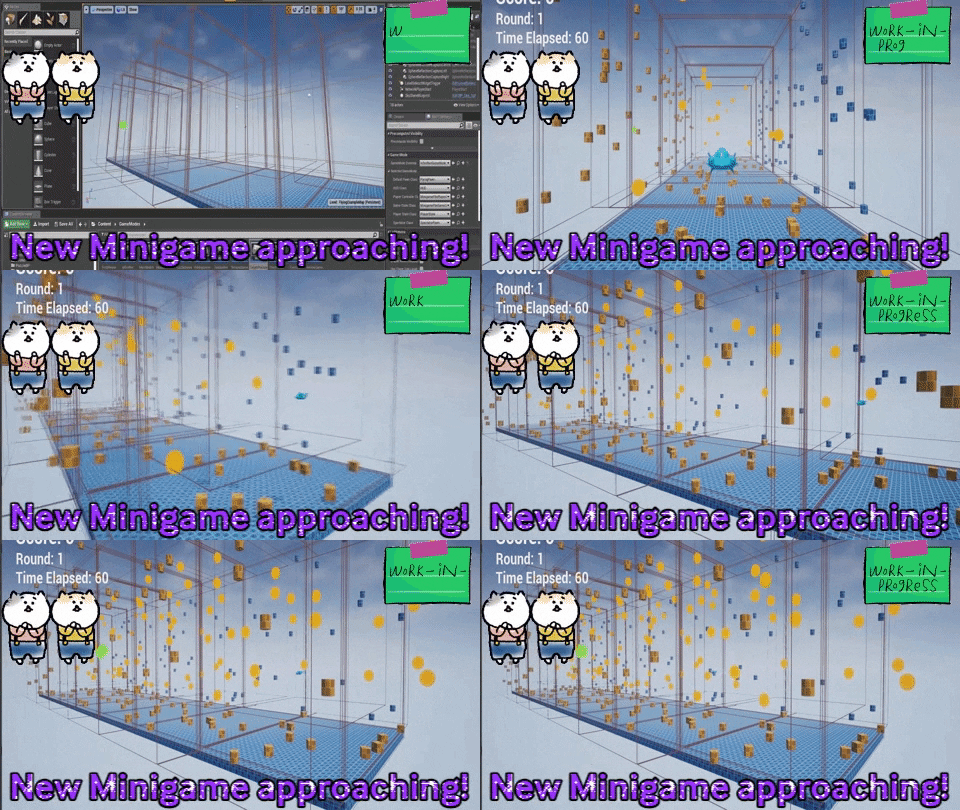
Infiniflier is an ‘endless runner’ Minigame where you dodge obstacles and collect energy and powerups to see how far you can fly before it’s game over. In this development screenshot you can already see several of these mechanics coming together. With heavy inspiration from a tutorial series I did several years ago to create an endless runner, and the prototyping power of Unreal Engine’s Blueprints Visual Scripting system, I expect to have a working prototype of Infiniflier ready for everyone to download and play within a single work day!
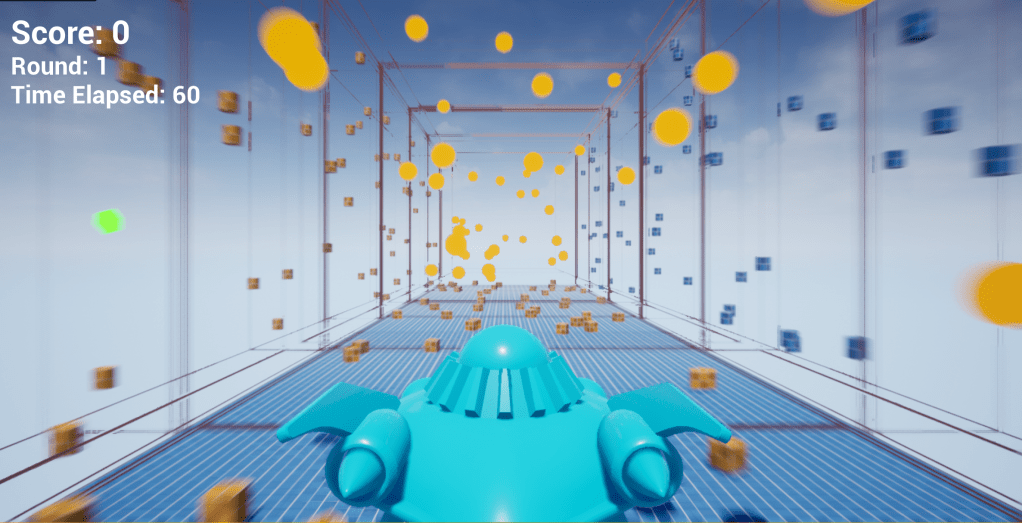
WIP shot of the Infinilier Minigame coming to Minigame Pile

The cubes on the floor are procedurally generated placeholders for the terrain and obstacles you will encounter. Arrays of variants will be chosen from randomly at run-time. The same idea applies to the cylinders on the left and right (representing decorations), though invisible box collider volumes block the player from leaving the play area.
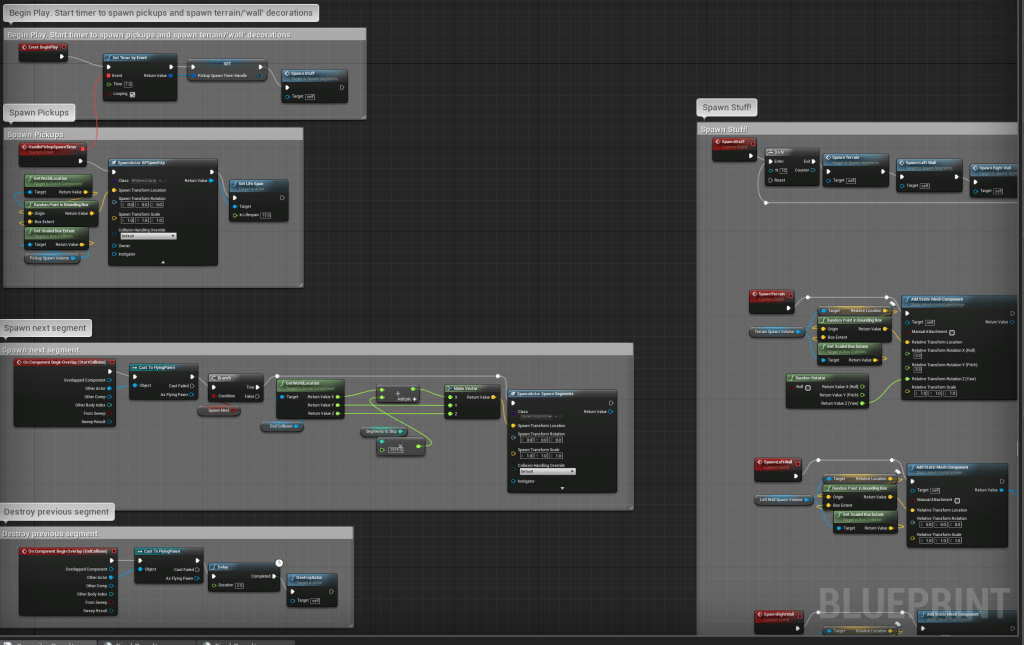
Some of the logic behind how the level is infinitely spawned while you play!

The absurd amount of yellow orbs are the first of several pickup items you will collect. They are spawned in the same manner as the rest. Planned items include an energy battery, speed boost, point multiplier, pickup magnet, and bonus points.
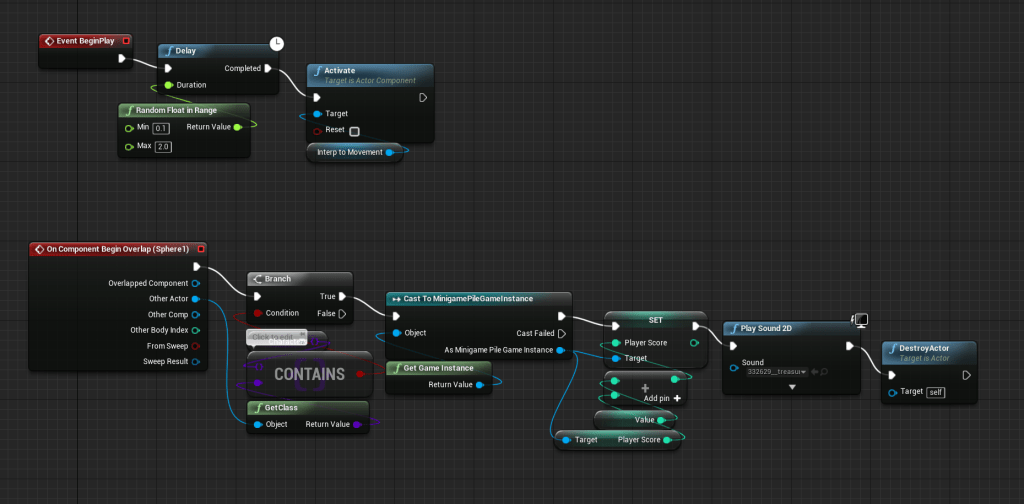
A basic pickup item. Adding a call to the SpeedUp function and swapping the sound would just about be all you need to create a custom variant of this generic base.

The wireframe cubes are the volumes in which the map segments are spawned, including the floors. This square floor is one of several pieces that will be created. Others will include elbows, forks, inclines and declines. As you pass the end of a segment you trigger a volume that collects everything behind you and puts it on a timer to be destroyed. This keeps items from building up over time and causing performance issues.

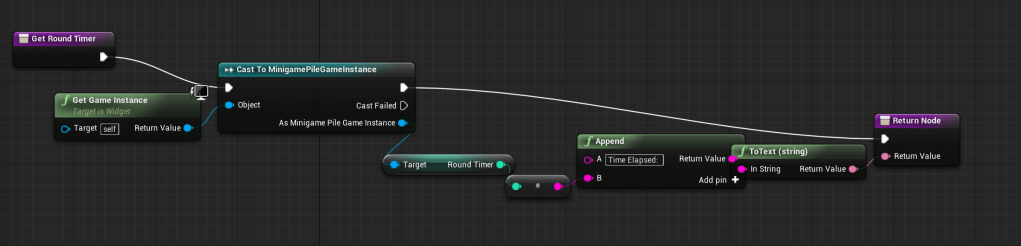
The Game Instance keeps track of things you want to have stick around the entire time you’re playing. Here we create the menu and load it up any time we want to.
The HUD will check with the Game Instance to make sure the player is seeing current information at all times.

Back to work now; I have a lot left to do today if I am going to get a working version in by my self-imposed deadline. (edit. Update below! Lots of great info)
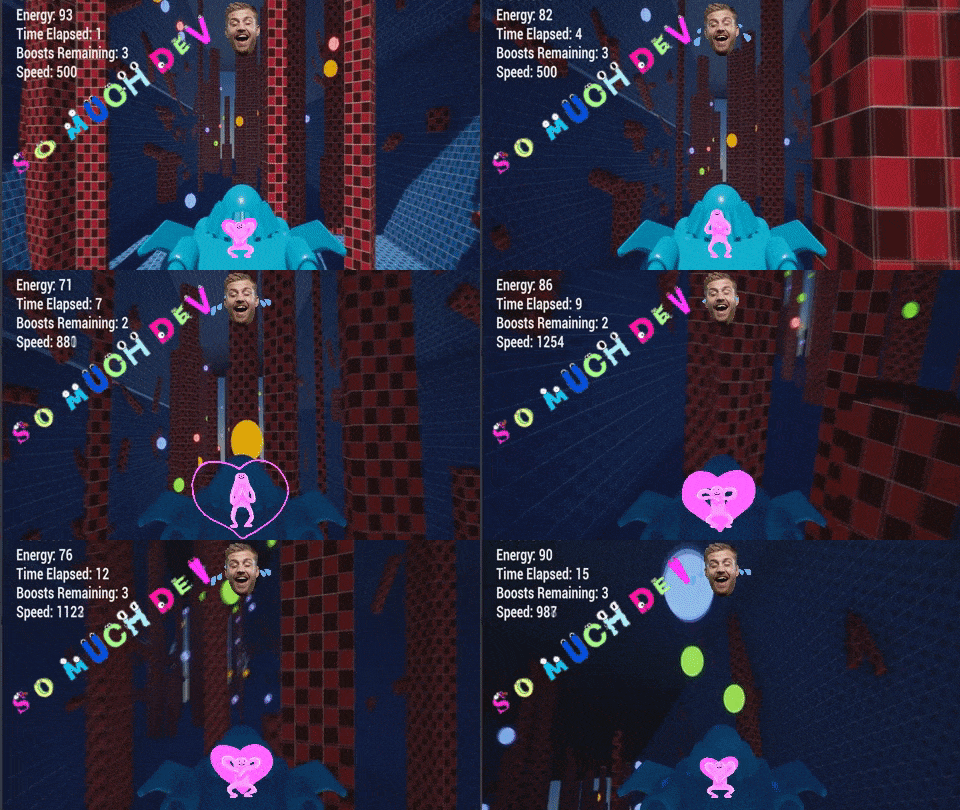
My end of day update consists of precisely this gif.
Featured

3 Minigames on the Pile and more!

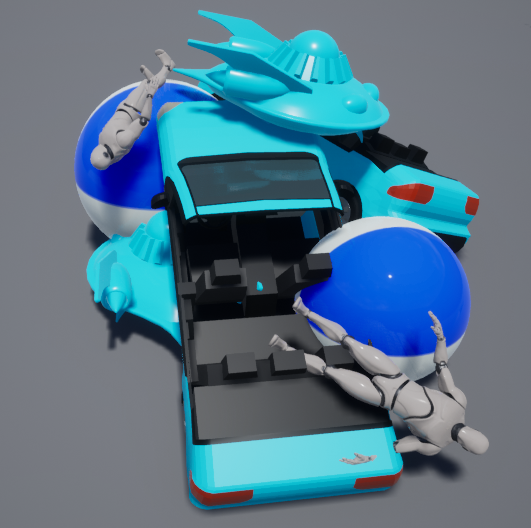
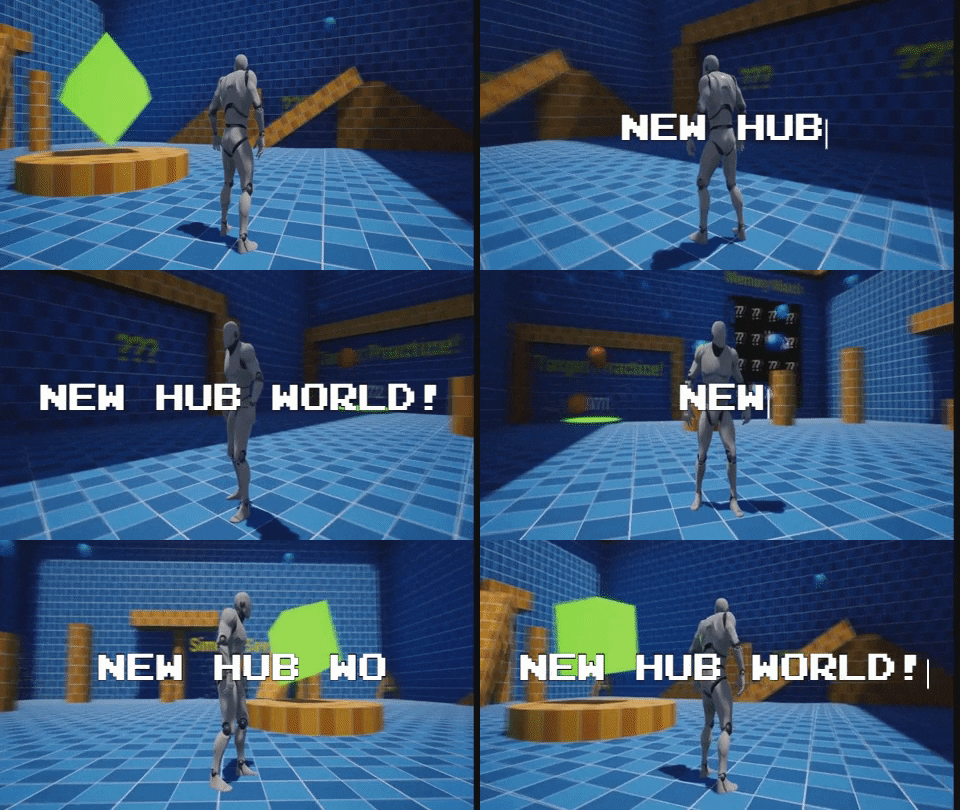
The new prototype Hub World level showcases all the current Minigames and hints at more to come. It also demonstrates the prototyping tools created and shared publicly by Ali Akbar on YouTube!

Minigame Pile now has 3 Minigame prototypes and a Hub World level to help show how the many games will eventually be intertwined. There are also a ton of changes to the site and surrounding technologies, such as Discord and Trello. Check em out and stop by the Discord channel to see what’s going on!

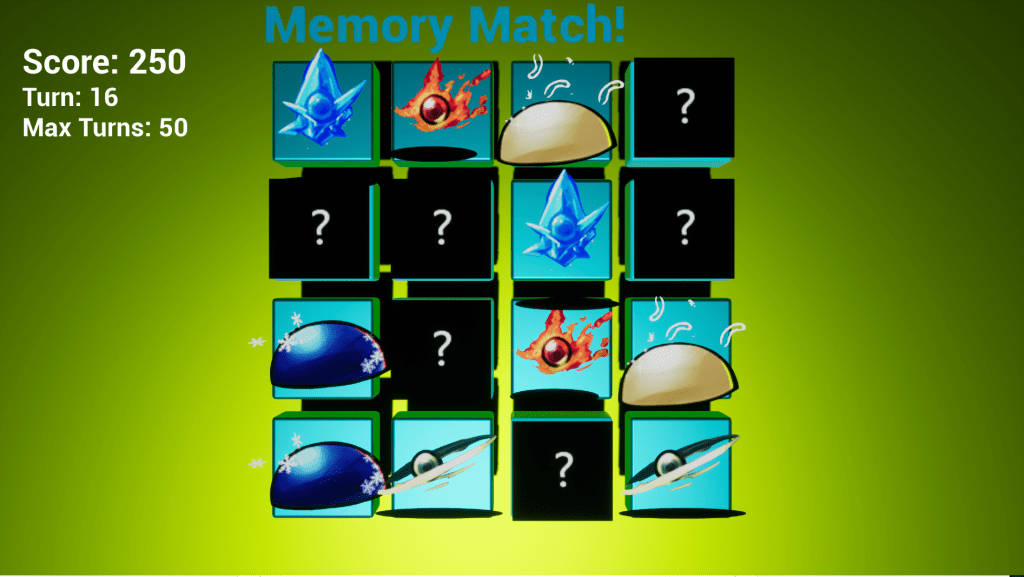
The Memory Match Minigame recreates a classic game to test your memory.
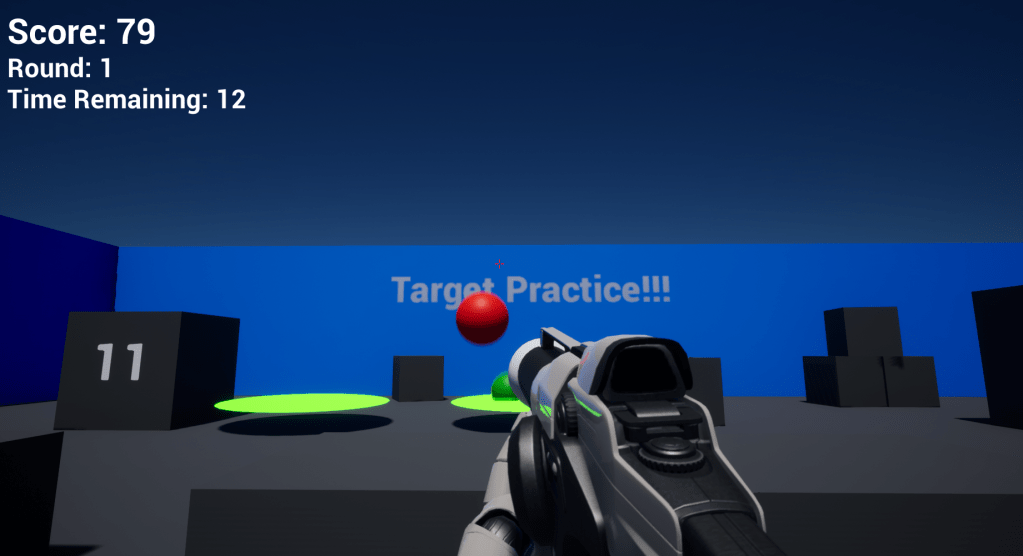
The Target Practice Minigame sets the stage for a shooting range-style FPS challenge!
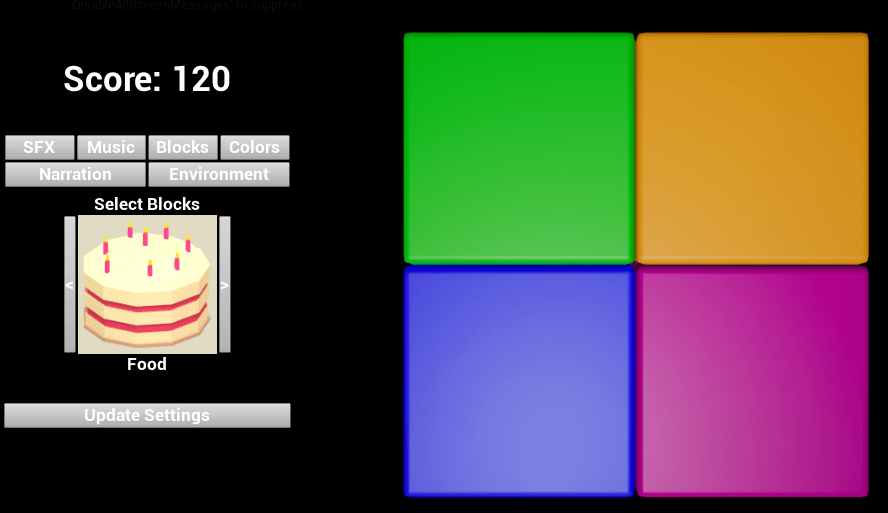
Simone Says is a recreation of the classic memory game Simon. In addition to the game itself, this Minigame adds a lot of quickstart options for user customization to be added to any future Minigame.
Featured

August 2019 Minigame Pile Update

Hey all! I’ve been working at expanding the Multiplayer system to the whole project and converting it into a hybrid C++/Blueprints system by adding more multiplayer components through C++. This has proven to be a real mess, which got me rethinking how I can most effectively utilize my time. I first set out to create a solid foundation before showcasing the idea to potential contributors. The obvious problem is where to draw the line and start to really try to build the community. I expect I’m not the only one here who’s had the feeling that their work is never quite ready to share. I also realize that the majority of people who would be interested in this project will be working to balance work and personal lives, just like myself. That said, I currently have two benchmarks to meet before taking measures to build the community:

  1. Having a cleaner directory system that naturally steers members into understanding what is present and in what way they can best contribute.
  2. Detailing mutable categories of contributions as templates/guidelines/specifications for members to follow and help shape.

These will be added to a drop-down menu on the Minigame Pile tab of this page, where they will be elaborated on and backed up with screenshots from the editor. A ‘Project Development’ section of the Google Drive for Open Game Dev has been outlined and will be populated as this develops.

I mentioned community-building measures. These will be explained on this site and again in the Project Development section of the Drive. Key points include:

  • Content curation through creators on Youtube, Patreon, Gum Road, etc,
  • Exposure and resource-generation through prize-incentivized game jams themed after the contribution categories hinted at above.
  • Discussion, polls, and ‘help wanted’ posts on servers and social media groups.

First Game on the Pile: Simone Says

Don’t be fooled by the ‘classic’ look. This is just the placeholder display used while implementing the logic.

Now that there is a bit of a framework in place (game / genre navigation and a multiplayer framework), we’re kicking off week 3 of Minigame Pile with work on the first actual minigame: Simone Says. The goal is to get the game out the door by Saturday, so our first iteration of the game will be pretty modest. A fairly traditional implementation of Simon Says will be dressed up with a few fun twists:

  • User-selected sound-sets
  • User-selected environments
  • User-selected ‘buttons’

And if we can squeeze a little more in:

  • Speed-Simone (back-to-back randomized-length sequences)
  • Cross-Minigame Score
  • Save File Integration

Down The Road (but not too far)

  • Online Multiplayer
  • VR Mode
Design a site like this with WordPress.com
Get started